


industry microphones, optical fibre cable, EN 60079-0:2004, EN 60079-28:2007
General Description
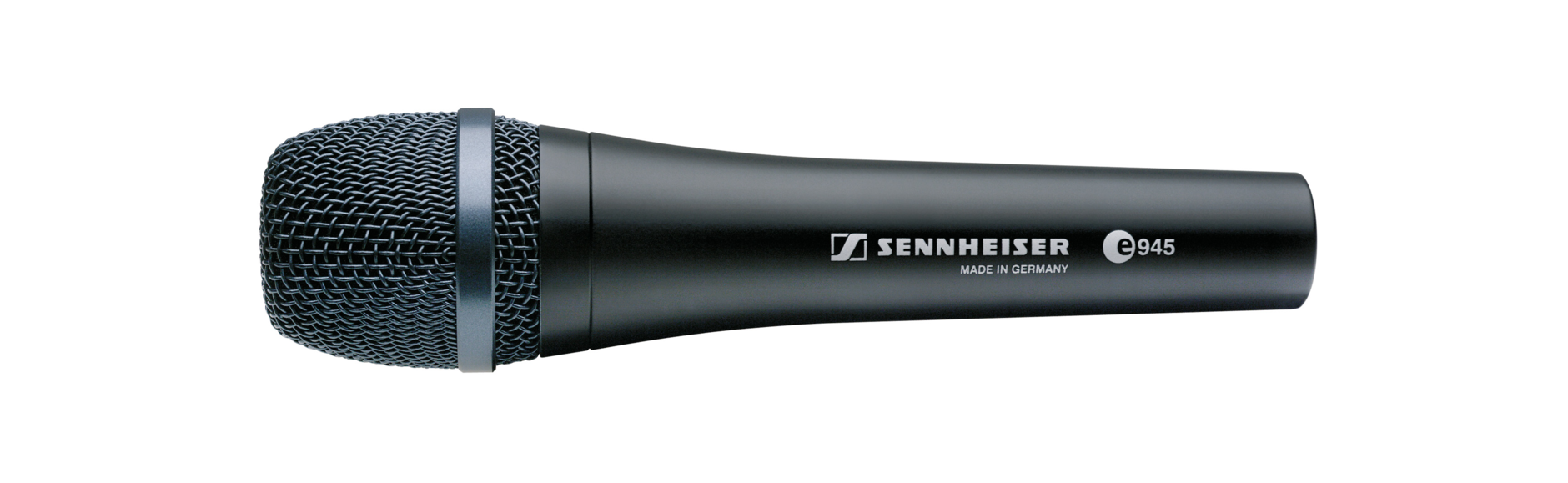
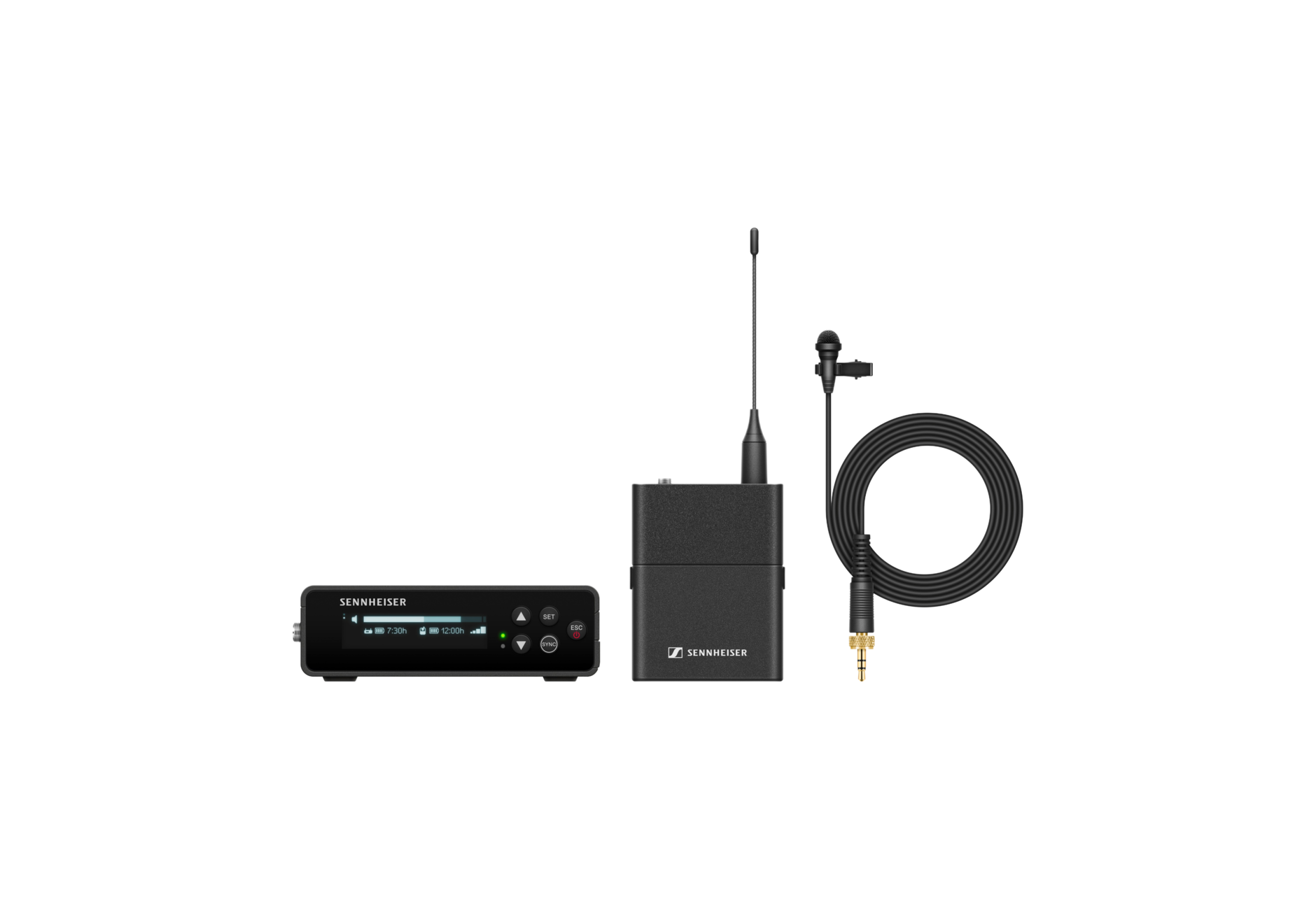
Sennheiser's Optical Microphone system is designed for special applications such as acoustic monitoring in industrial settings, medical procedures and technological measurement.
Utilizes the optical principle, which allows the microphone head and electronics to be located far away from each other. Rugged design withstands areas with aggressive substances (gases, salts, and humidity) and radiation. Metal-free microphone components prevent interference with other equipment. Other features include high signal-to-noise ratio, extensive frequency response, and reliable operation for acoustic measuring and communication.
Delivery Includes
- Optical microphone with MO 2000 H optical cable (3 m)
- MO 2000 CU central unit
- Power supply with various adapters (EU, UK, US)
- Carrying case
- Operating instructions
- MZWW 2000 weather protection incl. assembly accessories
- GA 2 rack adapter
industry microphones, optical fibre cable, EN 60079-0:2004, EN 60079-28:2007
Technical Data
| Current consumption |
120 mA |
| Fibre glass |
Multimode 200/230 μm |
| Frequency response (microphone) |
20 Hz to 40 kHz (±?6 dB) |
| Gain |
Adjustable in the range + / -15 dB, switchable graded 0 dB, + 20 dB + 40 dB |
| Operating temperature |
MO 2000 H -10 °C to +70 °C; MO 2000 CU |
| Output impedance |
330 Ω asymmetrical / 660 Ω symmetrical |
| Output level |
15 mV/Pa (potentiometer in mid position, switch set to 0 dB) |
| Pick-up pattern |
Omni-directional |
| Power supply |
100-240 V AC to 12 V DC, 5.4 W plug-in power supply with country adapters |
| S/N |
>50 dB(A) related to 1 Pa sound pressure |
| Sensitivity as per 121 TR 9-5 |
15 mV/PA |
| Sound pressure level (SPL) |
134 dB |
industry microphones, optical fibre cable, EN 60079-0:2004, EN 60079-28:2007
Recommended Accessories
| Part/Accessory |
Article No. |
industry microphones, optical fibre cable, EN 60079-0:2004, EN 60079-28:2007
Variants
Glossary
| Frequency response (microphone) |
| The frequency response of a microphone is given within the limits defined by the manufacturer. In studio condenser microphones it is generally within the range of between 20 Hz and 20 kHz. |
| Gain |
| Ratio of input voltage to output voltage. A negative value means an attenuation. |
| Operating temperature |
| Gives the range of temperatures at which a unit can be operated without damage. |
| Output impedance |
| Gives the internal impedance of an a.c. source. If the input of a subsequent load has the same input impedance, we speak of a matched impedance. The maximum power is delivered to the load. |
| Output level |
| Older studio technology term for a matched impedance. Given as a logarithmic value which refers to an impedance of 600 ohms. |
| Pick-up pattern |
| Also known as polar pattern, directivity. According to their acoustic design, microphones differ in their sensitivity towards sound from different directions. Pressure microphones have a sensitivity that is largely independent of direction (omni-directional pick-up pattern). Pressure gradient microphones have the pick-up patterns wide cardioid, cardioid, super-cardioid or figure-of-eight. Interference microphones can be used to achieve a further concentration of the pick-up pattern (lobar pick-up pattern). As a special case, dummy head microphones achieve the pick-up pattern of the human ear/head (dummy head stereo). |
| Power supply |
| Description of the power source used for powering a unit, for example mains, battery, rechargeable accupack, etc. |
| Sensitivity as per 121 TR 9-5 |
| Sensitivity as specified in the regulations issued by the Luftfahrtbundesamt (German aviation authorities). |
| Sound pressure level (SPL) |
| Due to the impractical numerical values, the sound pressure is usually given as the logarithmic value of the sound pressure level according to the equation: dB SPL = 20 x log (po / 0.00002 Pa). The abbreviation SPL (sound pressure level) is added in order to make a clear distinction from other uses of dB. The reference sound pressure, which is at the same time the threshold of hearing, is then 0 dB SPL. The threshold of pain is 140 dB SPL. A difference in the sound pressure level of 1 dB is just about perceptible, while a doubling of the sound pressure corresponds to 6 dB and a doubling of the volume corresponds to a rise of 10 dB.
|