

shotgun microphone, reporting, film, broadcast
MSRP:$356.92
General Description
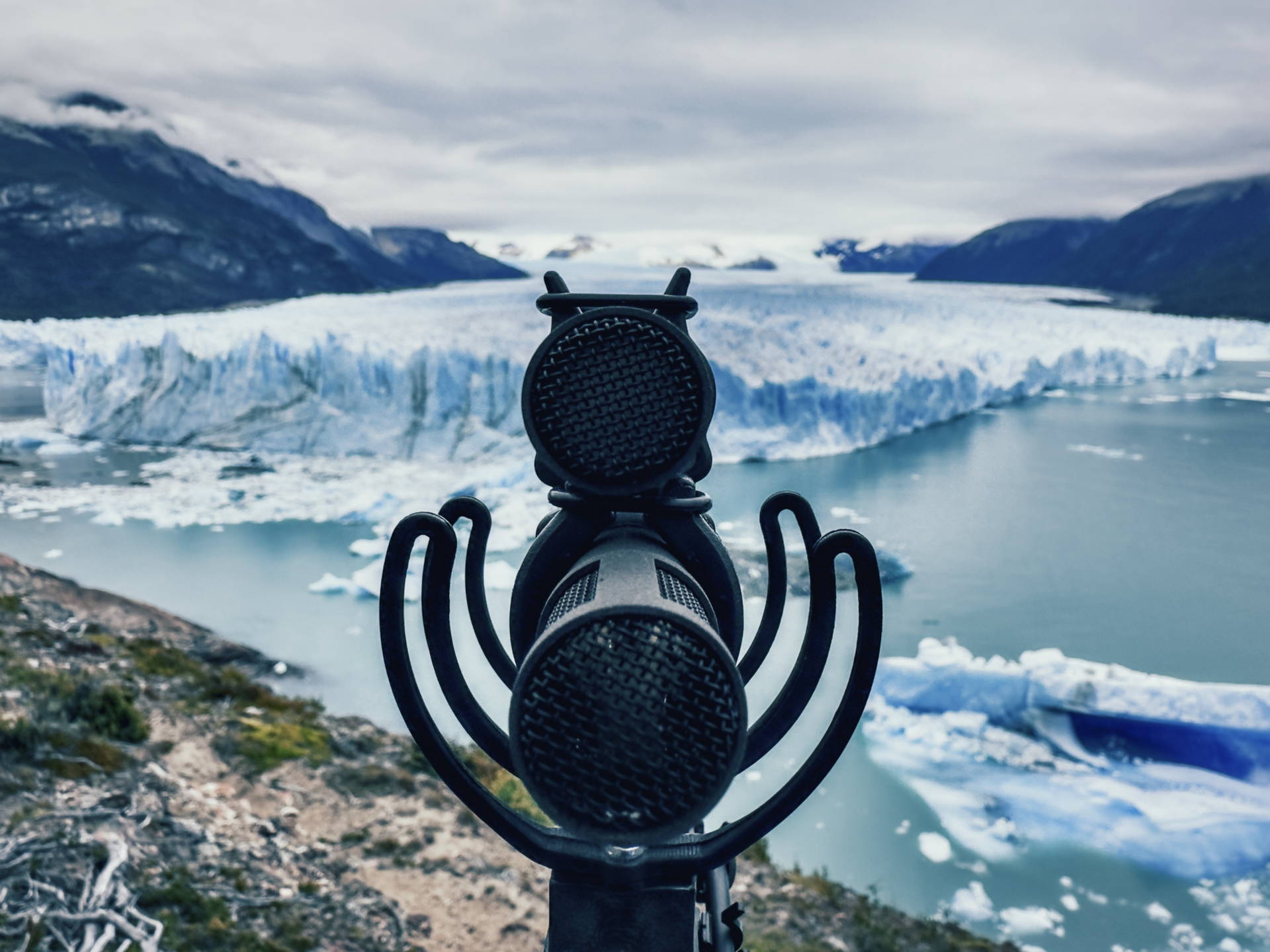
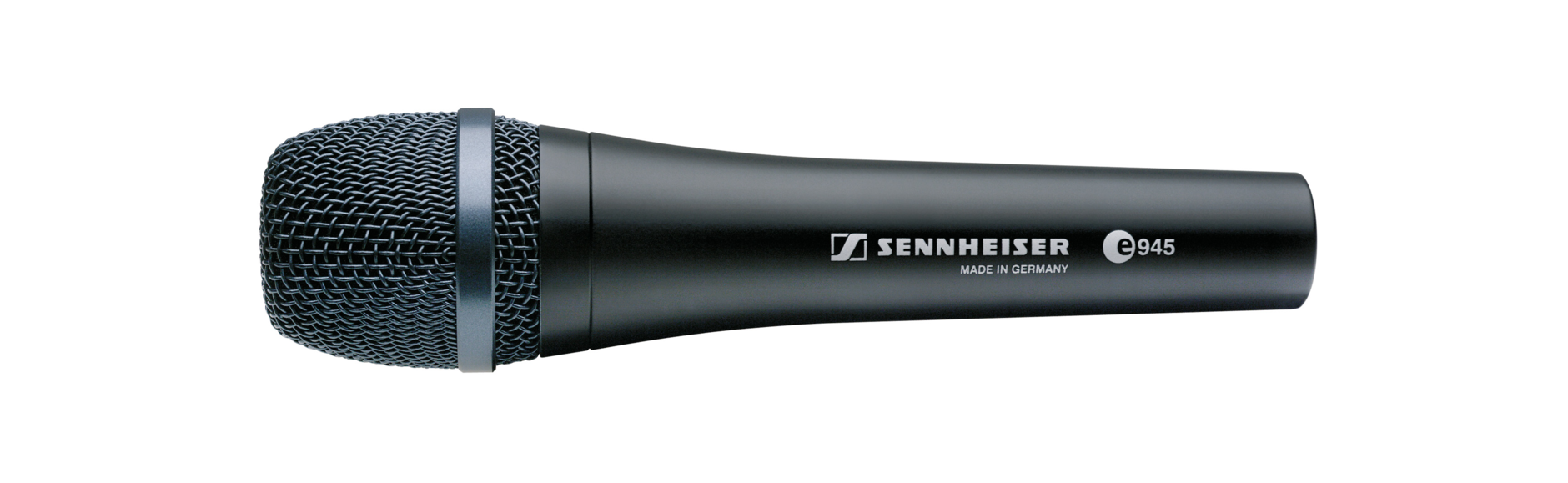
The ME 66 is a shot gun microphone capsule designed for use with the K6 and K6P powering modules. It is especially suitable for reporting, film and broadcast location applications and for picking up quiet signals in noisy or acoustically live environments. Matte black, anodized, scratch-resistant finish.
Features
- Super-cardioid/lobar pick-up pattern
- Highly directional
- Low inherent self-noise
- High sensitivity
- Wide frequency response
Delivery Includes
shotgun microphone, reporting, film, broadcast
MSRP:$356.92
Technical Data
| Dimensions |
d 0.9 x 8.7 in. (22.5 x 221 mm) |
| Equivalent noise level |
10 dB |
| Equivalent noise level |
21 dB |
| Min. terminating impedance |
1,000 Ω ( K6) |
| Nominal impedance |
200 Ω (K6) |
| Pick-up pattern |
Super-cardioid/lobar |
| Sensitivity in free field, no load (1kHz) |
50 mV/Pa ± 2.5 dB |
| Weight |
2.3 oz. (65 g) |
Polar diagram
shotgun microphone, reporting, film, broadcast
MSRP:$356.92
Recommended Accessories
| Part/Accessory |
Article No. |
| K6C-SM |
057335 |
Case for one ME( )/ K6 combo
|
| KC 6 |
USKC6 |
Case for all K6 series components
|
| MZC 1 |
USMZC1 |
shotgun ceiling mount accessory for MKH and K6 series shotguns
|
| MZH 60-1 |
003224 |
long hair windscreen for use with MZW60-1
|
| MZQ 100 |
002155 |
resilient quick release stand adapter for 19-23mm (~3/4"- 7/8") diameter microphones and E609
|
| MZQ6 |
003288 |
camera "hot shoe" mount for K6 series
|
| MZS 20-1 |
003609 |
combination shockmount pistol grip and stand, pole adapter for MKH and K6 series, required for blimp
|
| MZS 20-1/216 |
USMZS20-1/216 |
|
| MZS 6 |
003287 |
shock mount stand adapter for K6 series
|
| MZS CAM |
USMZSCAM |
elastic suspension shock mount with shoe mount for camera use
|
| MZSK 6 |
502844 |
The MZSK 6 is an all-in-one hybrid of Sennheiser's MZS 6 shockmount stand adapter and MZQ 6 video camera mount. The shockmount effectively prevents handling noise, while the shoe mount allows easy and fast attachment to any professional video camera.
|
| MZW 60-1 |
003607 |
blimp windscreen for MKH60, ME66, requires MZS20-1 shock mount.
|
| MZW 66 |
003704 |
gray foam windscreen for ME66
|
| MZW 66 PRO |
003712 |
black velour windscreen for ME66
|
shotgun microphone, reporting, film, broadcast
MSRP:$356.92
Variants
MSRP:$356.92
Glossary
| Equivalent noise level |
| The output signal of every microphone always includes a low noise signal in addition to the useful signal. In order to illustrate the extent of the noise voltage, it is given as a fictitious sound pressure level. In an ideally noise-free microphone, a sound pressure level of this magnitude would result in an output voltage of the magnitude of the noise. Self-noise is measured and weighted either in accordance with CCIR 468-3 or – in order to assimilate the measured result with the listening impression of the human ear – in accordance with DIN/IEC 651 (so-called A-weighted). Studio condenser microphones generally have an equivalent noise level of between 20 and 30 dB (CCIR) or between 10 and 20 dB(A). |
| Min. terminating impedance |
| Impedance at which the connected unit meets the specified technical data. If the unit is connected to a lower impedance, it will usually have a lower output voltage or a greater distortion. |
| Nominal impedance |
| See impedance. |
| Pick-up pattern |
| Also known as polar pattern, directivity. According to their acoustic design, microphones differ in their sensitivity towards sound from different directions. Pressure microphones have a sensitivity that is largely independent of direction (omni-directional pick-up pattern). Pressure gradient microphones have the pick-up patterns wide cardioid, cardioid, super-cardioid or figure-of-eight. Interference microphones can be used to achieve a further concentration of the pick-up pattern (lobar pick-up pattern). As a special case, dummy head microphones achieve the pick-up pattern of the human ear/head (dummy head stereo). |
| Sensitivity in free field, no load (1kHz) |
| Voltage measured at the unloaded output of a microphone which is exposed to a sound pressure of 1 Pa and a frequency of 1 kHz in an anechoic chamber. |