pilot headset, active noise compensation
General Description
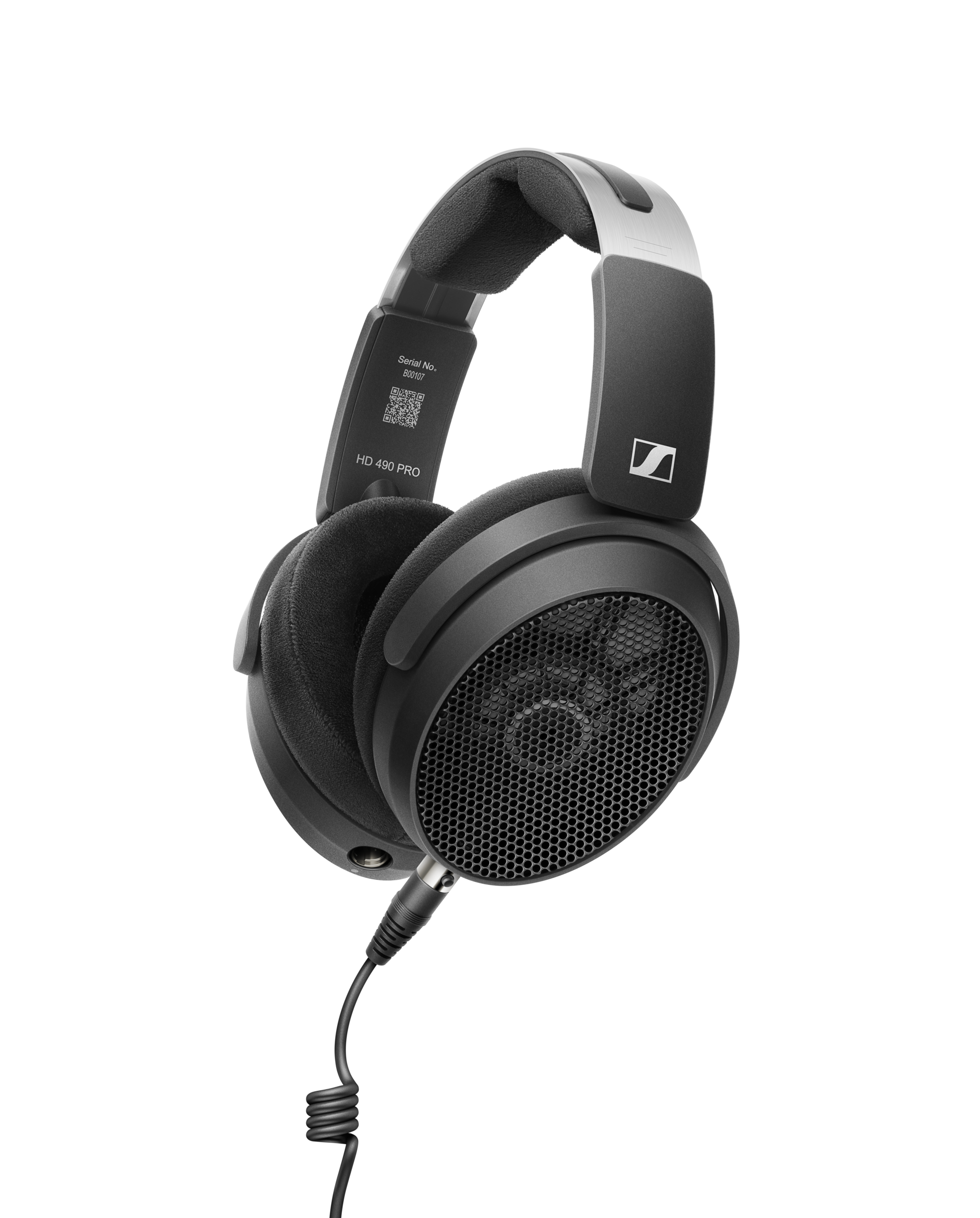
The HMEC 25 is a very lightweight and comfortable closed pilot�s headset with NoiseGard� active noise compensation. Different connector and powering versions are available to suit every conceivable cockpit configuration.
Features
- Noise reduction of approx. 15 dB – consequently ATC signal can be decreased
- Lightweight and extremely comfortable to wear
- Two-piece adjustable headband ensures a secure fit
- Boom microphone with noise-compensated electret capsule
- Adjustable microphone boom can be turned through 350° and thus be worn
- Replaceable microphone capsule and microphone preamplifier
- FAA and JAA TSO approval C 57 a and C 58 a
Delivery Includes
- HMEC 25 headset
- MZW 45 windshield
- MZQ 2002-1 cable clip
- Carrying case for headset and accessories
pilot headset, active noise compensation
Technical Data
| Transducer principle |
dynamic |
| Frequency response (headphones) |
16 - 22,000 Hz |
| Nominal impedance |
600 Ω |
| Attenuation (active + passive) |
15 - 30 dB |
| Weight w/o cable |
6 oz (170 g) |
| Transducer principle |
Electret - MKE 45-1 |
| Frequency response (microphone) |
300 - 5,000 Hz |
| Max. sound pressure level (active) |
120 dB |
| Output voltage |
400 mV ±3 dB / 114 dB/SPL |
| Operating voltage (stand alone) |
typ. 16 VDC (8-16 VDC, 8-25 mA) |
| Specials |
NoiseGard on/off switch |
| Connector |
PJ068, ¼ phono |
Connector Image
pilot headset, active noise compensation
Recommended Accessories
| Part/Accessory |
Article No. |
| 069417 |
069417 |
Velour ear cushion with foam disk, pair
|
| 075527 |
075527 |
Vinyl ear cushion with foam disk, pair
|
Glossary
| Transducer principle |
| Two transducer principles have become established for the conversion of electric energy into mechanical energy: electrodynamic and electrostatic transducers, whereby the latter is only to be found in audiophile systems, due to their relatively high manufacturing costs. Electrodynamic transducers basically consist of a ring-shaped permanent magnet and an oscillation coil, which is fixed to the receiver diaphragm. When an audio-frequency alternating current is passed through the oscillation coil, it is caused to vibrate in accordance with the audio-frequency alternating current, thus causing the diaphragm to vibrate in the same way. |
| Frequency response (headphones) |
| The frequency response of a pair of headphones is given within limits defined by the manufacturer. |
| Nominal impedance |
| See impedance. |
| Attenuation (active + passive) |
| Reduction in ambient noise achieved by wearing (closed) headphones (passive attenuation) with NoiseGard active noise compensation (active attenuation). |
| Transducer principle |
| Two transducer principles have become established for the conversion of electric energy into mechanical energy: electrodynamic and electrostatic transducers, whereby the latter is only to be found in audiophile systems, due to their relatively high manufacturing costs. Electrodynamic transducers basically consist of a ring-shaped permanent magnet and an oscillation coil, which is fixed to the receiver diaphragm. When an audio-frequency alternating current is passed through the oscillation coil, it is caused to vibrate in accordance with the audio-frequency alternating current, thus causing the diaphragm to vibrate in the same way. |
| Frequency response (microphone) |
| The frequency response of a microphone is given within the limits defined by the manufacturer. In studio condenser microphones it is generally within the range of between 20 Hz and 20 kHz. |
| Output voltage |
| The (signal) voltage which a unit supplies at its output. |
| Operating voltage (stand alone) |
| Voltage type and level required for powering a unit. |
| Connector |
| A standardised single or multi-pole plug for connecting units or accessories. |